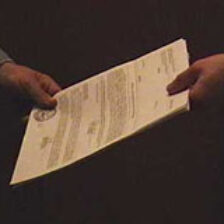
A summons delivered to the wrong corporate office, an outdated registered-agent address, or a declaration completed from assumptions rather than facts can create a service dispute that stops a case before it reaches the merits. When the designated agent is CT Corporation System, choosing a CT Corporation Glendale process server is not merely a courier decision. It is a procedural decision that can affect jurisdiction, response deadlines, default proceedings, and the enforceability of later orders.
CT Corporation System serves as registered agent for many businesses that do business in California. That makes its Glendale location a frequent destination for summonses and complaints, subpoenas, writs, judgment-enforcement papers, and other civil filings. The volume of legal documents directed there makes local familiarity valuable, but speed alone is not the standard. Service must be directed to the right entity, completed through a legally authorized method, and documented accurately.
Why Service on CT Corporation Requires Careful Preparation
A registered agent is not automatically the correct recipient for every document involving every company. The first question is whether CT Corporation System is the registered agent for the specific entity named in the lawsuit or proceeding. California Secretary of State records, the entity’s exact legal name, and current agent information should be checked before an assignment is released for service.
That verification matters because business names can be deceptively similar. A parent company, subsidiary, limited liability company, trade name, or former corporate name may not share the same agent for service of process. Serving CT Corporation for an entity it does not represent may leave the defendant unserved, even if the papers were physically delivered to the Glendale office.
The documents themselves also matter. A civil summons and complaint, a subpoena, a small claims claim, and a writ each carry different practical considerations. The server must know what has been provided, whether copies are complete, whether a court-issued document requires special handling, and what deadline controls the assignment. If the papers are missing attachments, lack a required signature, or identify the wrong party, an otherwise prompt attempt may not solve the underlying problem.
What a CT Corporation Glendale Process Server Should Verify
Before dispatching papers, a qualified local process server should review the assignment with a procedural mindset. The goal is not to provide legal advice or correct a client’s pleading. The goal is to identify delivery instructions that could compromise service before a deadline is lost.
At minimum, the serving party should provide the exact legal entity name, the court and case number when available, complete copies of every document to be served, the requested deadline, and any known information about the agent listing. If the matter has an approaching hearing, filing deadline, statute-of-limitations concern, or default deadline, that fact should be clearly stated at intake.
A professional server also confirms the requested service method. California law permits service on a corporation or other business entity through designated persons, including its agent for service of process, but the proper method depends on the type of entity and the documents involved. Personal delivery is often the clearest route when serving a registered agent. In some circumstances, substitute service, service by mail, or court-approved alternative methods may be available, but they are not interchangeable shortcuts.
For litigants handling their own matters, this distinction is especially significant. A defendant’s refusal to cooperate does not authorize informal service. Nor does an online search result establish that an address is current. Procedures must be followed closely enough that the court can determine who received what, when, where, and under what authority.
Local Presence Can Reduce Avoidable Delay
A process server who regularly works near CT Corporation’s Glendale office understands the practical side of a registered-agent delivery. That includes building access procedures, office-hour realities, document intake practices, and the need to avoid wasting a time-sensitive assignment on a stale or incomplete instruction.
Local coverage does not guarantee that every paper can be delivered instantly. Offices may have holiday schedules, restricted access, temporary operating changes, or document-specific requirements. It does mean the server can respond promptly, verify conditions on the ground, and communicate an accurate status rather than leaving the client to guess whether an attempt occurred.
ServeCTCorp.net is positioned for daily delivery assignments at CT Corporation in Glendale and for broader Los Angeles County service needs. For law firms and legal departments, that proximity can be particularly useful when a filing is issued late in the day or when proof of service is needed promptly for a court filing.
Proper Proof of Service Is Part of the Assignment
Service is not finished when documents change hands. The proof of service or declaration of service is the record that allows the court and opposing parties to evaluate whether service was valid. A weak, incomplete, or inaccurate declaration can invite a motion to quash, opposition to a default, or factual conflict over whether notice was provided.
The declaration should identify the documents served, the person or authorized recipient served, the date and location of service, and the method used. It should be completed based on the server’s actual observations. A process server should never guess at a recipient’s identity, backdate an attempt, use a generic description that does not fit the event, or sign a declaration that does not accurately reflect what happened.
This is why clients should be cautious about unusually cheap service offers that promise results without discussing documentation. The cost of defective service can be far greater than the difference in a service fee. A failed default judgment, a vacated order, a missed deadline, or months of renewed litigation can result from a declaration that does not withstand scrutiny.
California also regulates professional process-serving activity. In general, a person who makes more than 10 services of process in a calendar year must register as a process server in the county where they reside or have their principal place of business, subject to statutory rules. Registered process servers must maintain the required bond. For Los Angeles County matters, clients should ask whether the server is properly registered and bonded and whether the assignment will be handled by the identified professional rather than passed to an unknown third party.
Timing Depends on More Than a Rush Label
“Rush” is useful only when it is tied to a real deadline and a workable instruction. A same-day delivery request may be feasible when the documents are complete, the target entity is correctly identified, and the serving location is open and accepting service. It may be less feasible when papers arrive after office hours, the agent information has not been verified, or the requested method requires court authorization.
Attorneys and paralegals can improve turnaround by sending a clean PDF package, clear service instructions, and a direct contact for questions. Collection professionals should identify whether the matter involves a judgment debtor, third-party subpoena, bank levy-related document, or post-judgment order, because these documents may involve distinct deadlines or service directions. Self-represented litigants should confirm that the court has issued all required papers before placing the assignment.
A capable server communicates facts, not vague assurances. If service is completed, the client should receive confirmation and a properly prepared proof of service. If an issue arises, the client should be told what happened, what was observed, and what information is needed for the next procedural step. The server should not make unsupported claims about legal sufficiency, but should provide a reliable factual record for counsel or the litigant to use.
Questions to Ask Before You Send the Papers
The right questions protect the assignment. Ask whether the server is registered and bonded in Los Angeles County, whether they routinely serve CT Corporation System in Glendale, and whether they can provide a detailed proof of service promptly after completion. Also ask who will physically perform the service, how status updates are handled, and what the server needs if the named business is no longer represented by CT Corporation.
For a high-stakes matter, provide the server with more context rather than less. Identify the filing deadline, whether a default is pending, whether the case involves emergency relief, and whether prior service attempts have failed. Context helps the server prioritize operational decisions while keeping the service record factual and defensible.
The most useful result is not simply a fast delivery confirmation. It is a carefully documented service event that gives your case a sound procedural footing when the deadline, the court, or the opposing party begins asking questions.